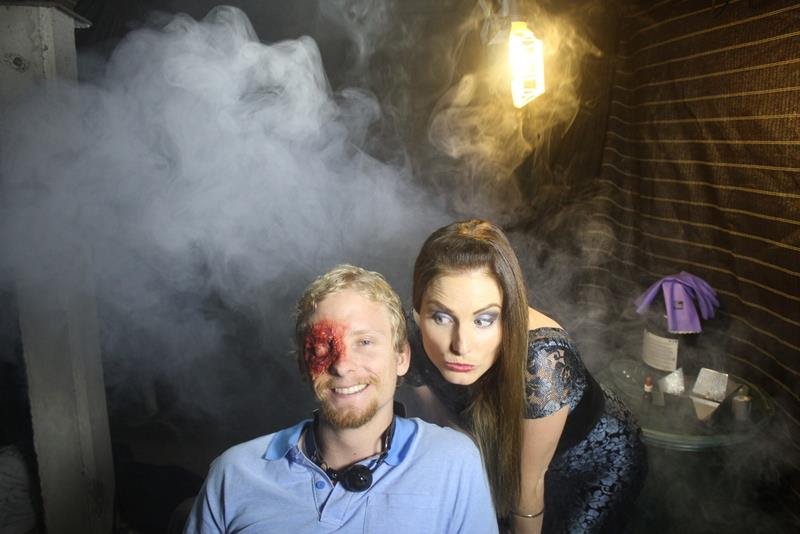
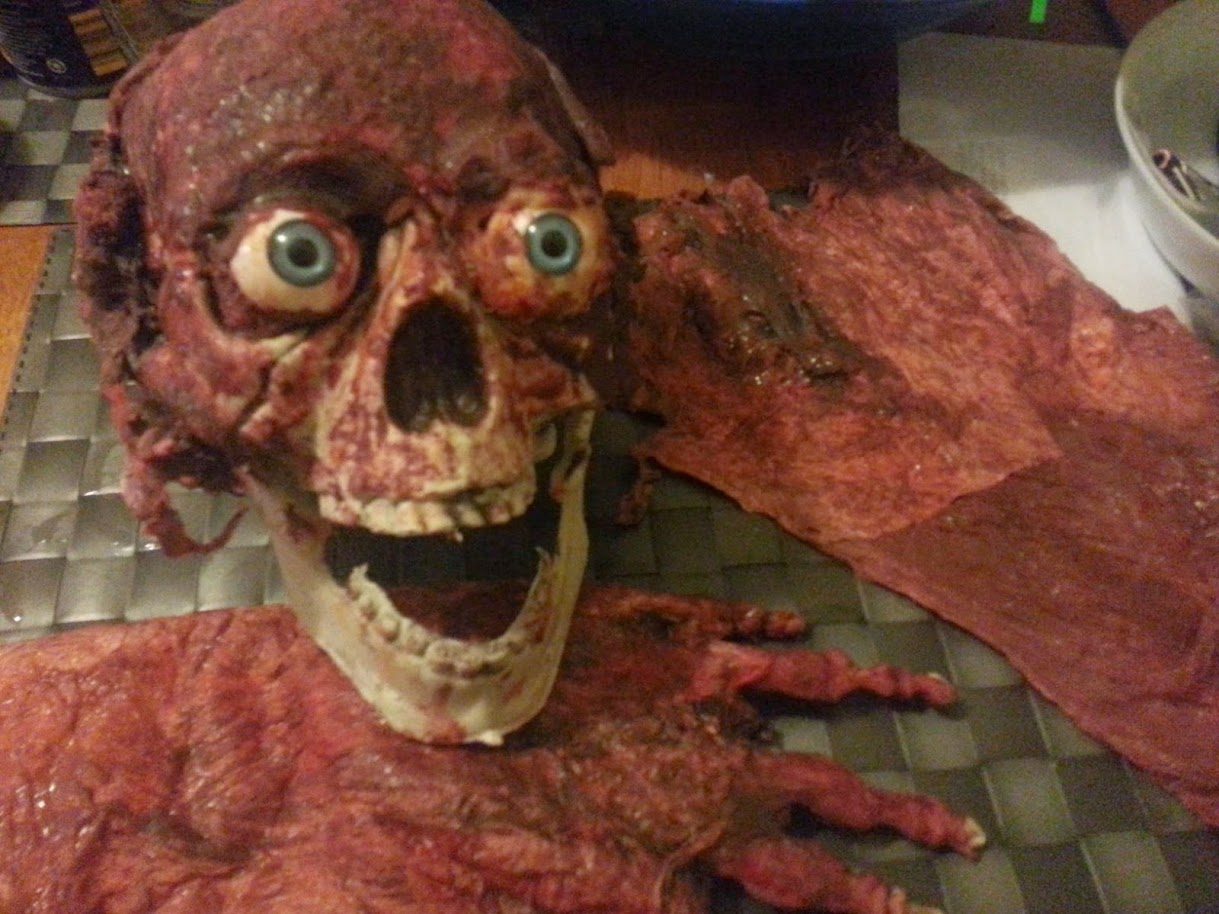
Good prop weathering shows how an object has been used, stored and neglected. Decide that history before adding marks. Put wear where handling or contact would make sense, vary its intensity, and check whether the camera can read it. Random dirt everywhere usually tells the audience very little.
A prop can suggest character before anyone speaks. A carefully maintained handle on a battered case implies different priorities from a clean case with a damaged lock. Weathering gives you a way to make those choices visible without attaching an explanatory note to every object.
Write the object’s history
Keep the history short enough to guide decisions. Who owns it? Where does it live? How often is it handled? What happened to it recently?
Imagine a portable radio kept in a damp workshop. Its carrying handle may be handled often, while its lower edges meet a rough shelf. Now imagine a radio stored in a clean bedroom and dropped during an escape. Those are two different patterns, even if both objects are described as “old.”
Choose the moment the audience sees it. Damage that happens during the story needs a before and after. Existing wear needs to remain recognisable across the scene.
Separate everyday wear from the story event
Make a simple mark map on a photograph or sketch. Identify the high-contact areas, protected recesses and the location of any significant recent damage.
Use a visual hierarchy. Broad changes should establish the general condition. Smaller marks can support it. Reserve the strongest contrast for an area the viewer should notice.
Do not make every edge equally distressed. Equal treatment can reveal the process instead of the object’s history. Look at an ordinary object with a similar use and observe where its finish actually changes. You are gathering a pattern, not copying every scratch.
Test the finish on a sample
Try the intended appearance on a spare piece or inconspicuous test surface first. Use products suitable for the underlying material and follow their instructions. Check whether the finished surface can tolerate the handling required by the scene.
Keep visual damage separate from the prop’s physical integrity. A mark that looks like a split does not need to weaken the object. Any action involving impact, breakage or performers needs its own suitable prop and production plan.
Splatter VHS lists prop distressing among its practical FX work. The useful question is not how much distress you can add. It is what each visible change tells the viewer.
Exercise: weather one object three ways
Take photographs of the same plain prop and sketch three proposed finishes. Do this before altering the object:
- Frequently used, carefully maintained: Concentrate wear at handling points while keeping the overall condition orderly.
- Stored and forgotten: Reduce signs of recent handling and suggest long undisturbed storage.
- Recently involved in a struggle: Give one event a clear direction and location, with supporting marks nearby.
Write a one-sentence explanation for each mark. Remove marks that have no useful explanation. Then choose the version that supports the scene.
For an actual finish test, photograph the clean state first. That gives you a reference and makes it easier to judge whether each added layer improves the design.
Check it through the camera
Place the prop where it will appear and use representative lighting. Record a test at the planned distance. Fine work can disappear in a wide shot, while a broad mark may dominate a close-up.
Check the prop in the performer’s hands. Fingers can cover the main detail. Reflections can hide or exaggerate the surface. Use the horror shot list to decide which details need to survive which view.
Finally, photograph the approved appearance from several useful angles. Record removable additions and changes made during filming. A practical FX continuity record helps keep the same fictional history visible from take to take. The prop should look like it has lived a life, not like five departments gave it five different lives before lunch.
Make a seasonal prop first
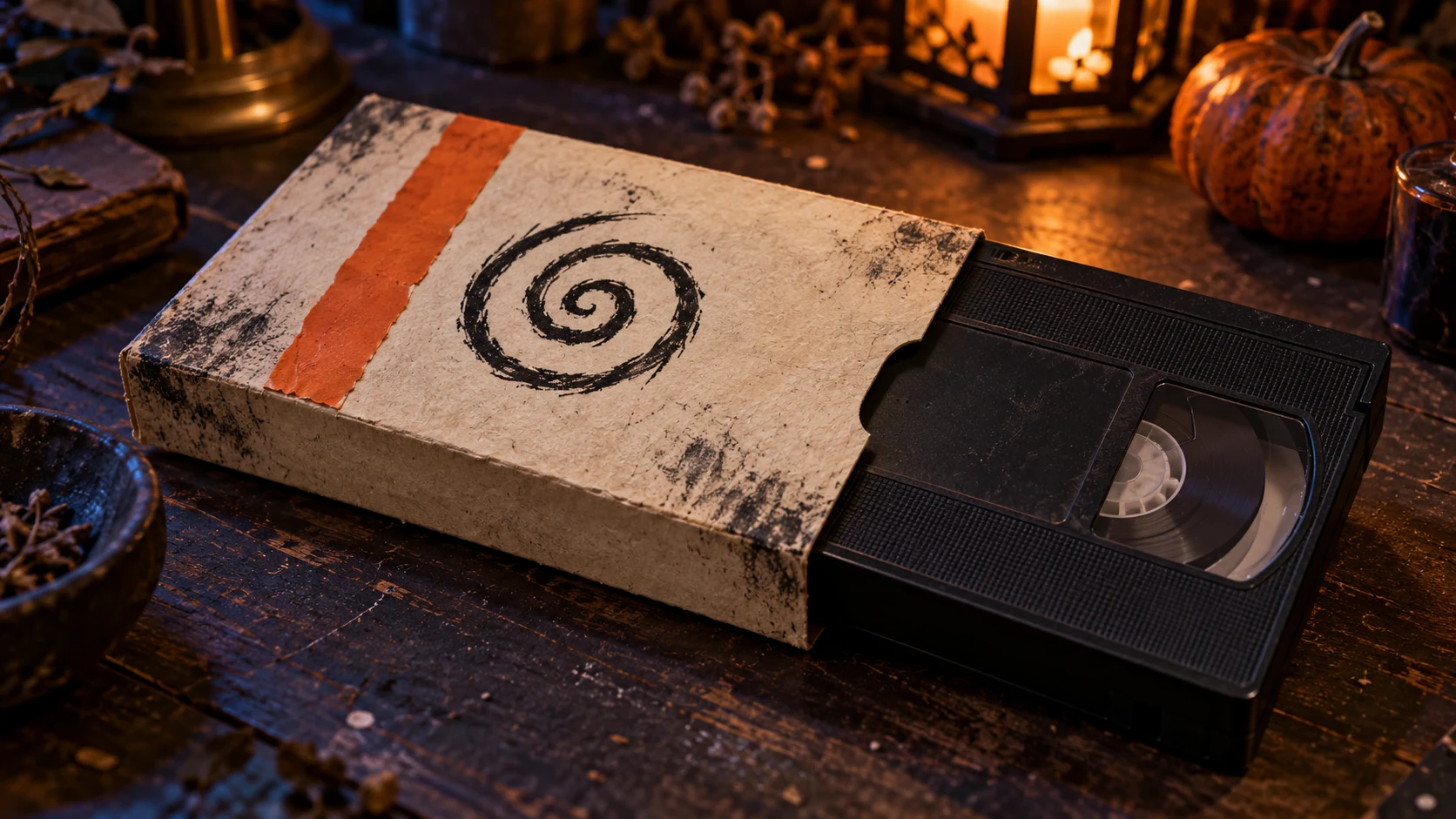
The cursed VHS sleeve project applies this history-and-wear approach to a removable paper cover. You can finish the exercise without changing the cassette. Photograph the sleeve clean and aged to see whether the fictional history reads.