Write one complete route through your horror story before adding branches. This baseline is the golden path: a start, a sequence of decisions and a finished ending you can read from beginning to end. “Golden” describes a route that works; it does not mean the character makes morally correct choices or earns the nicest ending.
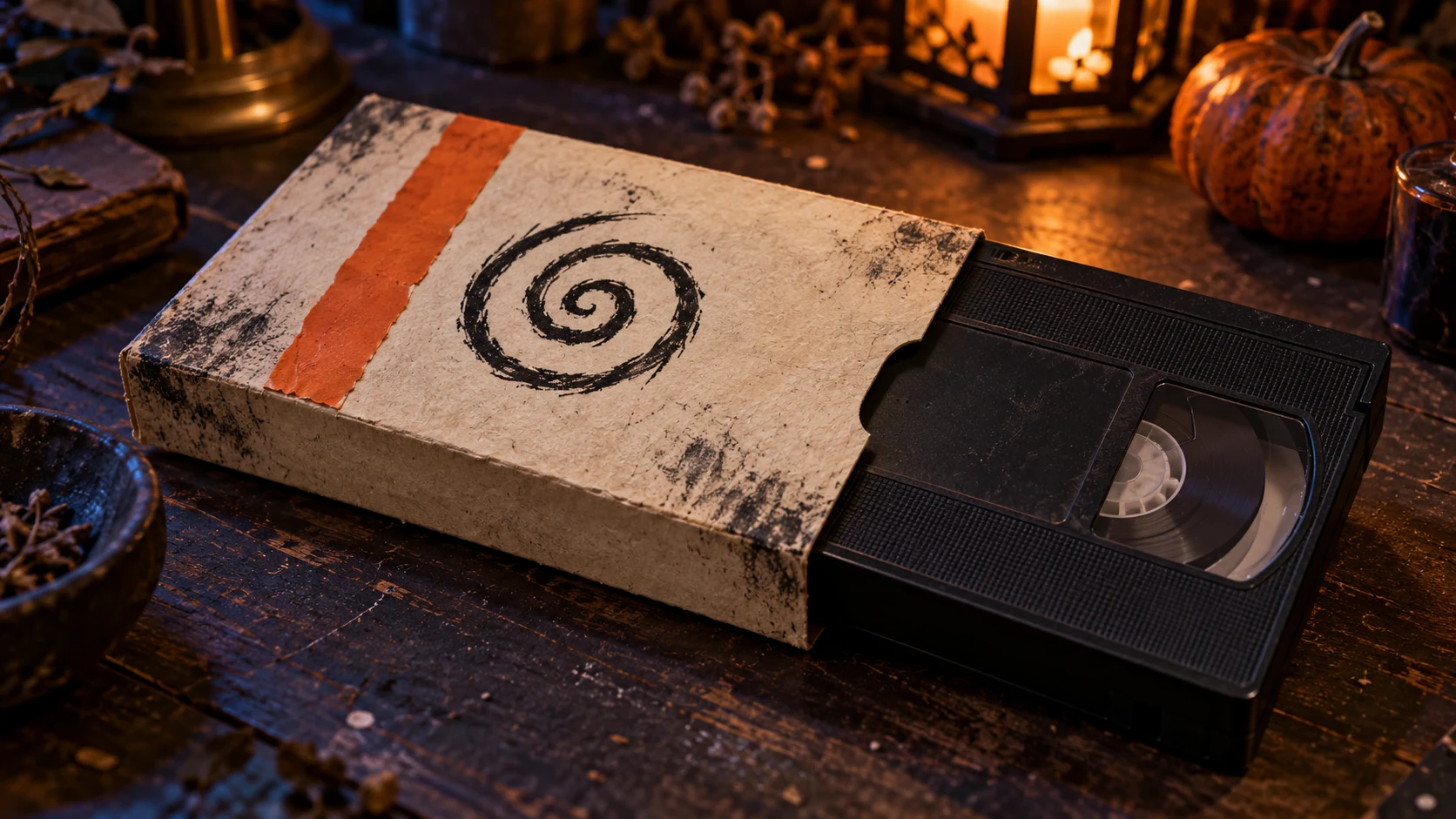
Spooky • interactive storytelling. This Halloween exercise creates a short haunted-object story called The Last Tape. For a live example of terminal-style choose-path horror, visit Splatter VHS's Broadcasts From The Void.
Finish the baseline story first
Your radio shop has closed for the night. A cassette deck behind the counter begins playing your name. You did not switch it on. The front door has a manual latch, but leaving means deciding what to do about the tape.
Write the first route in four short passages: discover the deck, listen to its warning, reach the door and leave the tape behind. Finish the ending before polishing the opening. Give the final passage a changed situation: outside, the voice stops, but every shop window briefly reflects the empty counter.
This route establishes the story's promise and pays it off. Once it works, you have something solid to branch away from.
Give each choice an intention and a cost
At the deck, offer two actions. Listen for the rest of the warning spends more time beside the disturbing object but gains information. Eject the tape and pocket it stops the message but leaves the character carrying the object.
Use labels that tell the reader what they are attempting. “Listen” and “eject” describe different intentions. “Option one” and “option two” make the interface do less useful work.
The warning can say, “Leave the tape here.” The reader who listens now has knowledge the other route lacks. The reader who ejects has a physical problem to carry forward. Neither action needs an instant punishment to matter.
Keep the node map small
A node is one passage or screen of story. Give it a short, unique label that can also become its identifier when you build the page. This six-node map is enough for a complete first version:
start  → listen | eject
listen → door
eject  → door
door   → leave | rewind
leave  → END
rewind → END
The golden path is start → listen → door → leave. Both middle branches return to the door. The last choice creates two ending nodes: leave the shop, or return to the deck and rewind the tape.
Write each node so it has a clear job. The opening establishes the disturbance; the middle changes what the reader knows or carries; the door presents the final decision; the endings complete its consequences.
Rejoin the scene and remember the choice
Rejoining saves you from writing a separate story for every action. It works when the shared passage remembers what happened. Track two simple facts:
- heardWarning: starts false; becomes true after listening.
- tookTape: starts false; becomes true after ejecting and pocketing the tape.
At door, a listener recalls the warning. Someone carrying the tape feels it vibrate in their pocket. These different lines make the earlier decision visible inside the same scene.
Let the leave ending respond too. Without the tape, the voice stays behind. With it, the voice starts again outside. In rewind, the deck plays the shop's closing sounds in reverse until the opening moment returns. Treat that as a finished ending rather than an accidental navigation loop.
Test every ending, including the awkward routes
Read all four routes aloud. Check that each one reaches an ending, remembers the correct facts and makes sense without knowledge from another branch. A reader who never heard the warning cannot suddenly quote it.
Then ask someone to say what they expect each choice to achieve before selecting it. After the ending, ask what changed because of their decisions. Revise unclear labels or forgotten consequences before adding more nodes.
The HTML choice-story guide turns this structure into a playable page. Explore body horror writing for pressure on character, or Australian creature horror for another setting direction. First finish The Last Tape: six nodes, two remembered facts and an ending on every route.