Plan a horror short around one character, one immediate problem and a change you can show with the resources you actually have. Work out the ending early, then build the smallest sequence of events that makes it land. Your plan should explain what the audience experiences and what the crew must deliver.
An idea can be enormous. The film needs edges. Six locations, three creatures and a collapsing building might belong in your notebook for a while longer.
Find the film inside the premise
“She hears her dead partner through the bathroom wall” is a premise. A film starts when that sound makes her do something.
Write three sentences:
- Someone wants something they can act on tonight.
- Something frightening makes getting it harder.
- Their final choice changes the situation.
For example: a tenant wants to finish packing before her lift arrives. Knocking inside a sealed cupboard begins copying her movements. She can leave the last box behind, but it contains the only recordings of her mother's voice.
Now you have a decision, an object and a reason to stay. You also have a problem that can mostly happen in one room.
Keep that distinction in mind when looking through the Splatter VHS films page, which includes the released short M Is for Melt. The exercise here is a planning model, not an account of how that production was made.
Build five changes, not five stretches of waiting
Use five beats as a first pass:
- Establish the character's task and the ordinary space.
- Introduce a disturbance with a possible harmless explanation.
- Make the disturbance interfere with the task.
- Force a decision that costs something.
- Show the consequence.
Each beat should alter the character's options or the audience's understanding. If three scenes all say “the cupboard is creepy”, combine them. Repetition earns its place when the meaning changes: the second knock answers a question; the third comes from behind the character.
You can then turn those changes into a horror shot list. Avoid designing elaborate camera moves before you know what the scene needs to communicate.
Count the awkward things
Read the outline once for practical demands. Mark every location change, night exterior, effect, costume change, extra performer, sound problem and continuity reset.
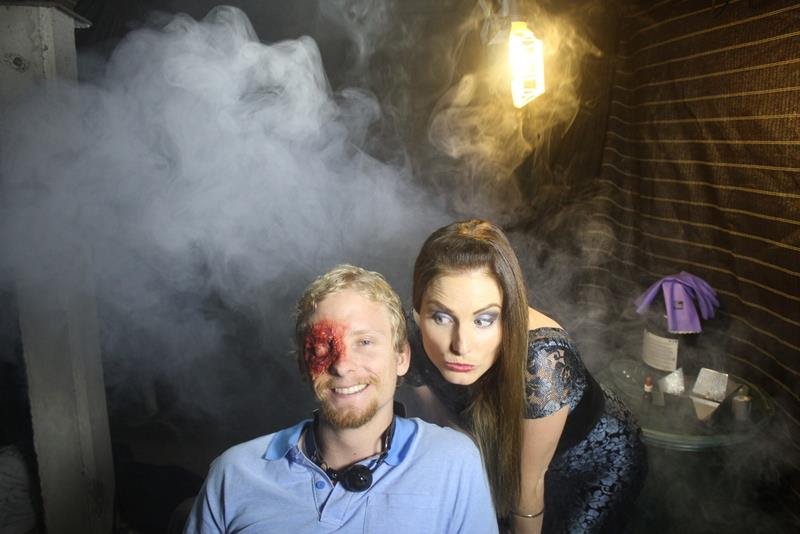
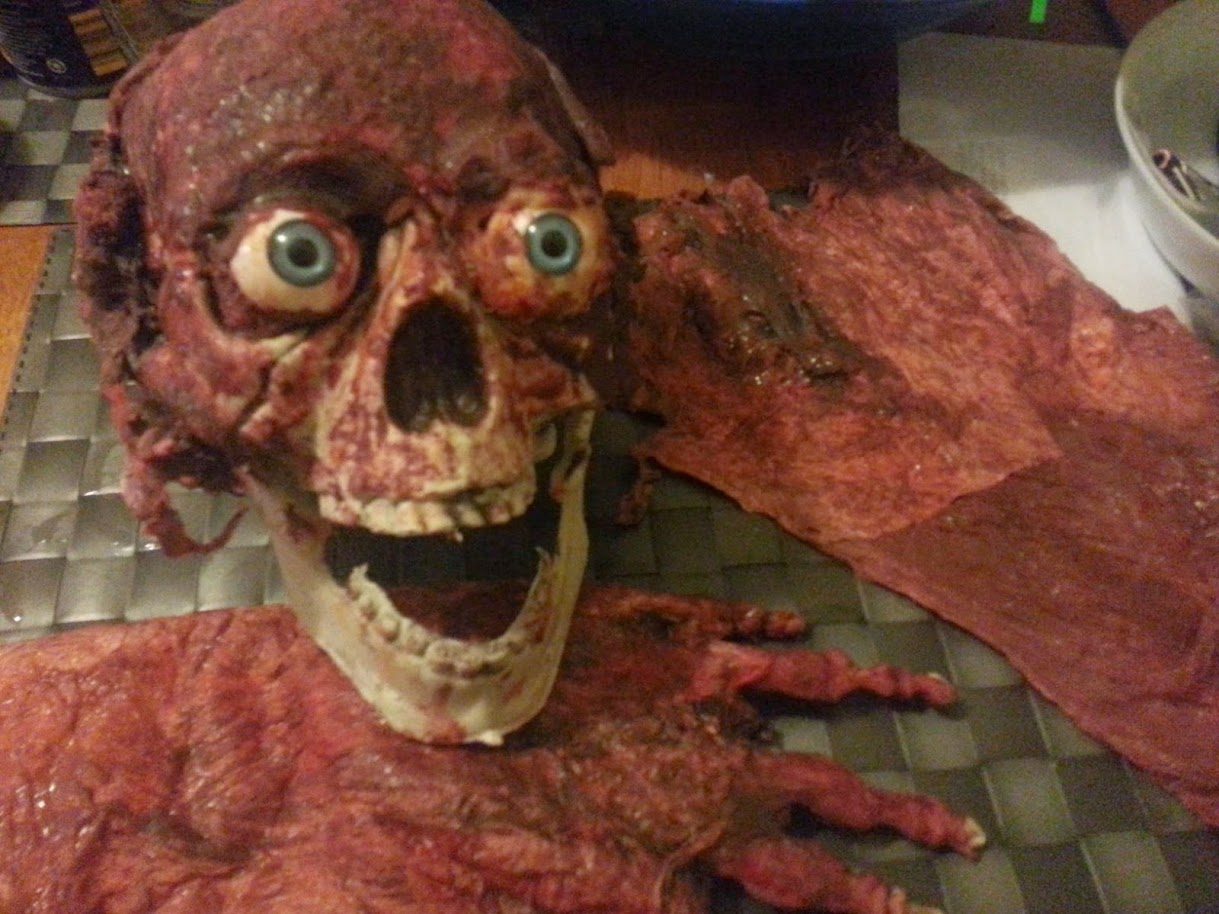
A one-room film with a spreading stain may need more preparation than three clean dialogue scenes. Wet effects can complicate resets. An effect that changes between takes needs a record of its stages; use the practical FX continuity guide while planning those shots.
Write down what must be tested before the shoot. “Make monster” is too vague. “Test whether the moving shape reads through the cupboard gap at the intended camera distance” gives you a useful task.
Cut demands that contribute little. Protect the few that make the film itself.
Schedule backwards from a finished version
A shoot date is one milestone. Allow time afterwards for editing, sound, music decisions, titles, credits and export checks.
Before filming, decide who will assemble the edit, where footage will be copied and how the team will identify takes. Record a complete usable version of each essential story beat before spending remaining time on variations.
Finishing does not mean squeezing every imagined shot into the day. It means bringing home the material that lets the story work.
Exercise: make a one-page production promise
Put these six items on one page:
- The three-sentence story.
- Five changes in the situation.
- Available cast, locations and shooting time.
- The three most demanding shots or effects.
- A simpler version of each demanding element.
- The person and time allocated to each finishing stage.
Give it to someone who has not heard the pitch. Ask them to describe the character's final choice and the biggest practical obstacle. If either answer is fuzzy, fix the page before expanding the script. A small film with a clear spine gives you something solid to build.
A Halloween-sized version
Set the whole story around one decoration that appears somewhere it should not. Decide who notices, what they try and what the final image changes. Keep the movement implied between shots. Use the small-crew guide to turn the idea into jobs someone can actually cover.