A Halloween horror music video becomes easier to plan when one visual idea can survive the full song and change as the music develops. Choose a rule the viewer can recognise, then let each section alter it. Decorations and costumes can establish the occasion; the progression gives people a reason to keep watching.
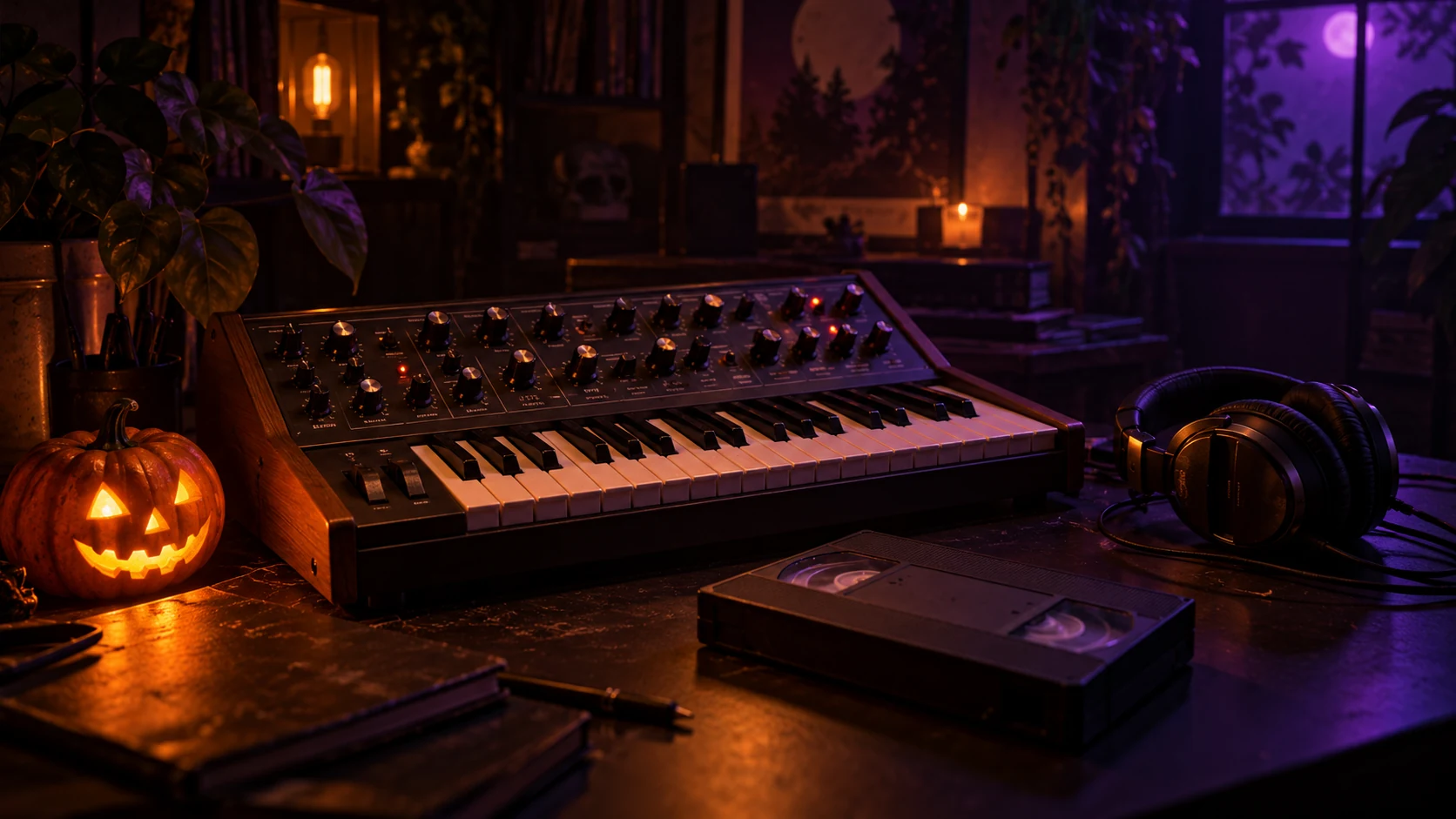
Darker • horror themes. This guide is written for older teens and adults planning a suspenseful Halloween video. Start by listening to your track and noting sensations such as watched, trapped or unable to wake. Splatter VHS music offers synthwave and dark electronic work to explore.
Write a visual sentence
Describe the concept in one plain sentence. “A host packs away Halloween decorations, but every object returns behind them” gives you an action and a problem. “A creepy person in a decorated house” gives you a mood and leaves the sequence unexplained.
Give the action a destination. What will the host do differently by the end? They might stop packing, confront the room or discover that a box already contains their costume. Choose an ending your location and resources can support.
The concept should be understandable without a long explanation in the video description. Give the audience a concrete pattern to notice before asking them to spot its failure.
Map the song by function
Make a rough timeline of the track. Label sections by what they do: establish, repeat, expand, interrupt, release. Use verse and chorus labels where useful, but let the actual music guide the plan.
Write one visual change for each section. In the decoration example, the opening establishes ordinary packing. The next section repeats one object. The middle reveals that several objects have returned. During an interruption, the host might stand still while the room changes around them.
You do not need a new location whenever the music develops. Changes in framing, movement or the number of objects can make the escalation clear within one room.
Give repeated images a consequence
A repeated image works when viewers can compare it with an earlier appearance. Keep one element stable so the change remains readable.
Return to the same doorway framing with more decorations blocking it. Repeat a hand movement but change the object being lifted. Keep a performer in the same position while the background becomes increasingly wrong.
If everything changes together, the comparison disappears. If nothing changes, repetition becomes padding. A simple horror shot list will show whether your idea develops across the song or merely waits for the ending.
Plan the resets before the shoot
List actions that are easy to repeat and actions that permanently change a prop, costume or set. Your shoot order needs to account for those changes. A broken decoration, emptied container or stained costume can make an earlier state difficult to recreate.
For each important action, identify a wider view that explains it and any detail needed to understand the change. Capture useful spaces and objects before altering them. Keep reference photographs so repeated shots match where they should.
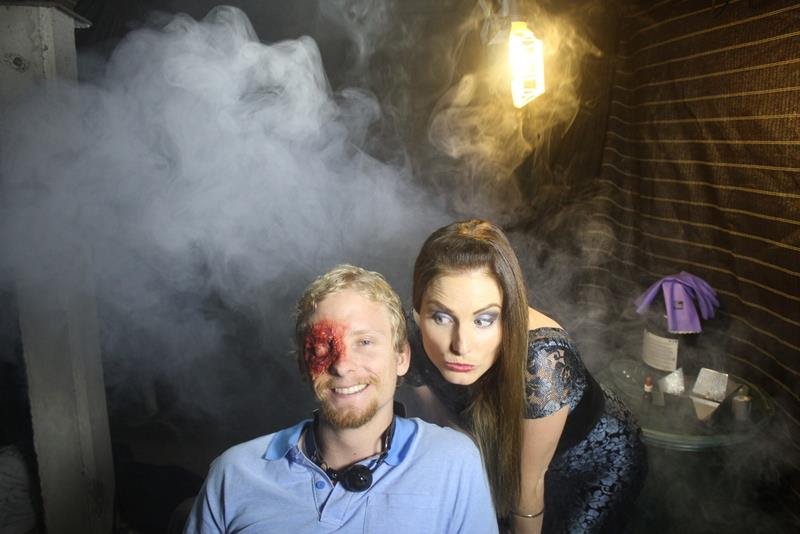
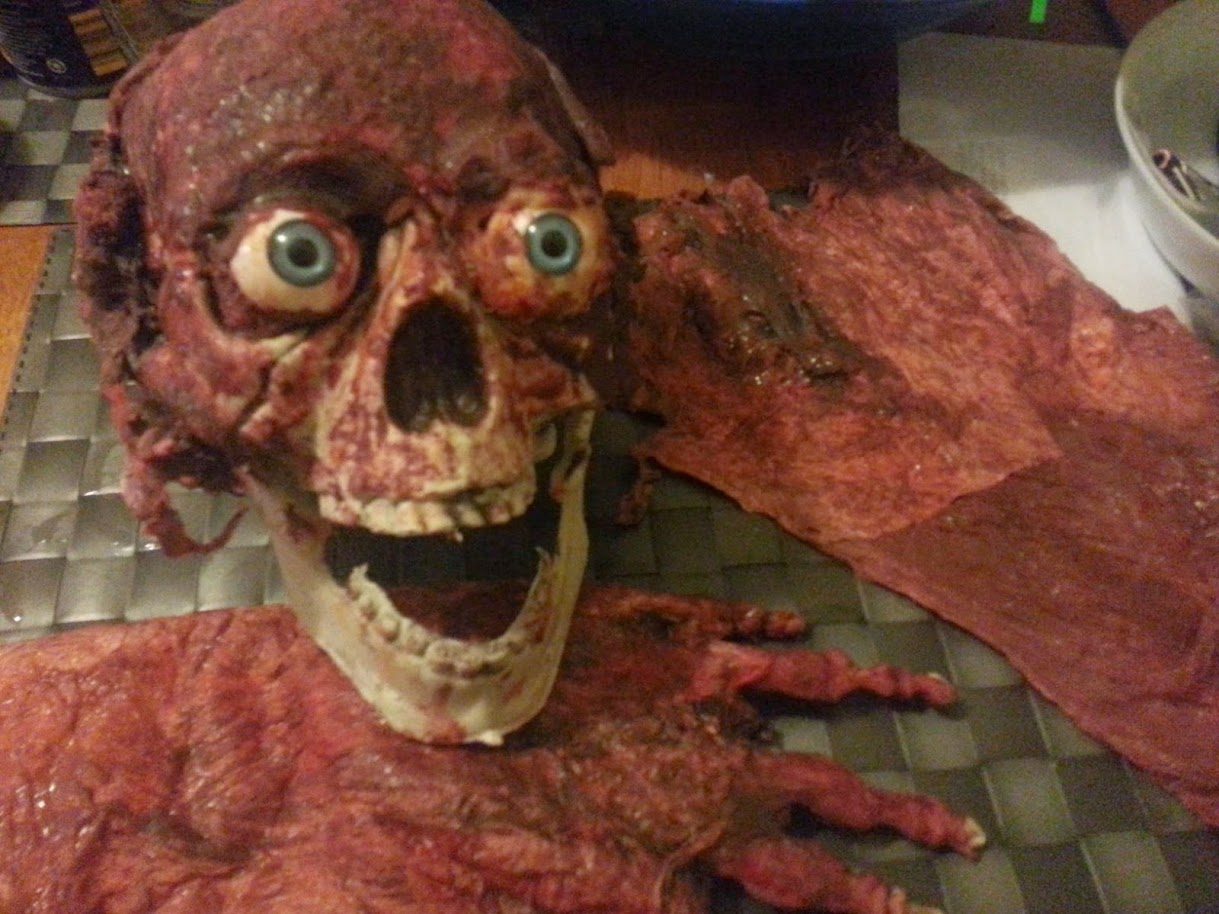
Use the practical FX continuity guide when damage or mess evolves across the video. An elaborate final effect needs a reason beyond wanting more shit happening in the last chorus. Make it complete the idea.
Exercise: make the rough Halloween version
Build a rough version with phone footage, still images or drawings against the full track. Test structure before the main shoot:
- Establish the visual rule before its first important violation.
- Give each major musical section a readable change.
- Return to one framing so the audience can compare states.
- Check that the middle develops the problem.
- Watch without stopping and mark where attention wanders.
Show it without explaining the ending. Ask what changed and when the viewer understood the rule. Revise any confusing section before adding more elaborate imagery.
Your Halloween takeaway is a full-song visual plan that can survive rough pictures. Once that holds together, lighting, costume, performance and effects can deepen an idea that already works.