To adapt a horror idea into another medium, preserve the central fear and redesign how the audience encounters it. A film can control the timing of a reveal. Prose can stay inside a thought. Music can shape expectation through sound. A game can make someone act.
At Splatter VHS, films, fiction, music and interactive projects sit inside the same creative workshop. The games page describes an expanded universe in development. That is a direction for the work, rather than a claim that every released title already shares one continuous story.
The practical question is what each new form adds.
Find the fear underneath the plot
“A creature lives in a drain” is an event. “Something can imitate a need you cannot ignore” is a source of pressure.
Write the idea at that level before adapting it. What temptation or fear forces a person to respond? What does the threat make them risk? What changes once they understand it?
For a hypothetical project, use this premise: a familiar voice comes from a sealed room. The central fear might be that recognising someone does not mean you can trust them.
That premise can travel without repeating the same scene everywhere.
In film, design the audience's attention
A film version could show a person approaching the sealed door while holding on the empty corridor behind them. The voice draws attention in one direction; the composition makes another direction feel exposed.
The important decisions include what is visible, how long the shot lasts and when the sound changes. A physical detail might carry the scene: a handle turning after the voice stops.
Use a suspense-focused shot list to organise that information. A paragraph explaining the fear will not help if the images never let the viewer experience it.
In prose, use interpretation
A written version can show the character recognising a phrase, remembering when it was last spoken and trying to explain why its use is wrong.
The reader follows the gap between what is heard and what the narrator wants to believe. Choose details that change that interpretation. Three precise observations can carry more pressure than a page describing the room as terrifying.
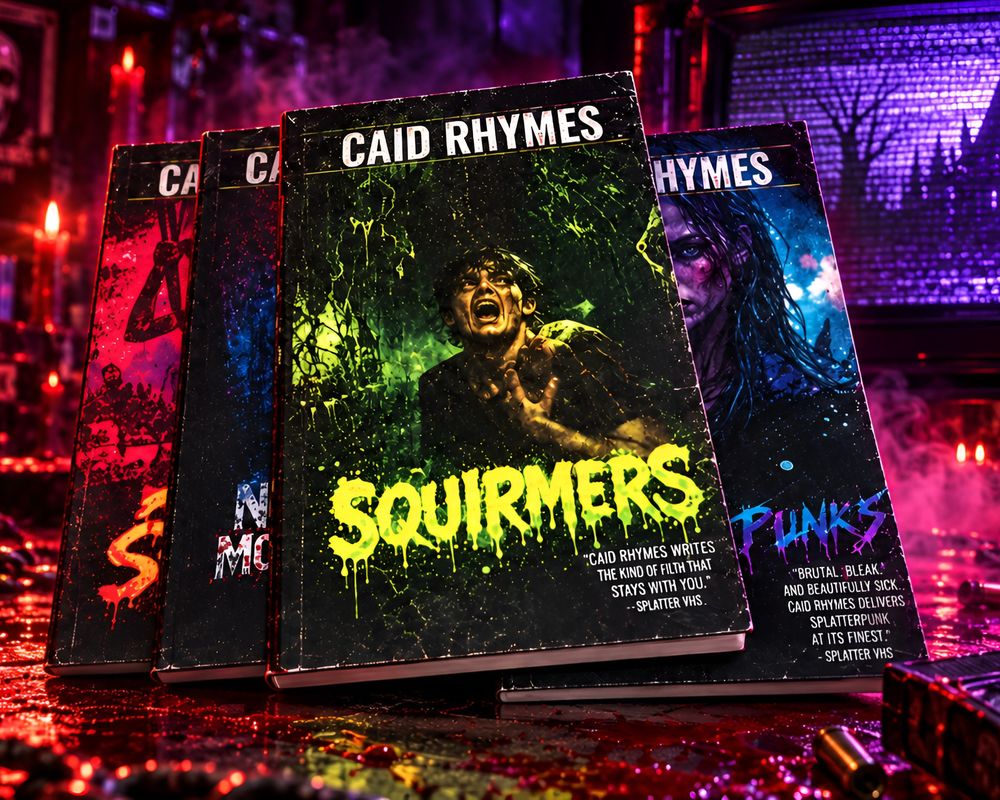
Our fiction catalogue includes the released novella Slug Girl and Squirmers, a creature-horror work in progress. For an exercise in giving location an active role, see Australian creature horror.
In music, shape expectation without explaining everything
A musical response does not need to narrate each plot point. It could begin with a stable pattern, interrupt one expected return and leave the listener waiting for something that does not arrive.
Decide whether the piece stands alone or accompanies a scene. That changes how much narrative work it must carry and where it needs room for other sound.
Write the intended shifts in plain language before choosing textures. The soundtrack-brief guide turns those shifts into something another collaborator can use.
In a game, give the player a decision
The sealed-room premise becomes interactive when an action changes the situation. Perhaps answering the voice reveals the player's position, while staying silent allows another event to continue.
Write the consequence of each action. A choice that produces identical information in identical circumstances may add a button without adding a decision.
For a text version, build a small branching horror story. For movement and space, begin with one playable room.
Make a four-part adaptation card
Try the same premise in four lines:
- Film: What does the viewer see before the character understands it?
- Fiction: What does the character believe that the reader begins to question?
- Music: What expectation is established, changed or withheld?
- Game: What must the player choose, and what does it cost?
Then define the relationship between the versions. Is this a direct adaptation, a separate viewpoint, a related experiment or an independent work? Say so clearly when you present it.
Give the audience a reason to cross from one form to another. Each doorway should reveal something its neighbours could not.
One Halloween invitation across four forms
Use a fictional invitation as the shared object. In film, show a changed detail; in prose, let someone recognise the handwriting; in music, interrupt an expected return; in an interactive story, make accepting it a choice. Define which version adds something rather than repeating the same explanation.